2024 / Game
Syndrome
A 3D psychological horror game about paranoia, looping spaces, and uncertainty in everyday life.
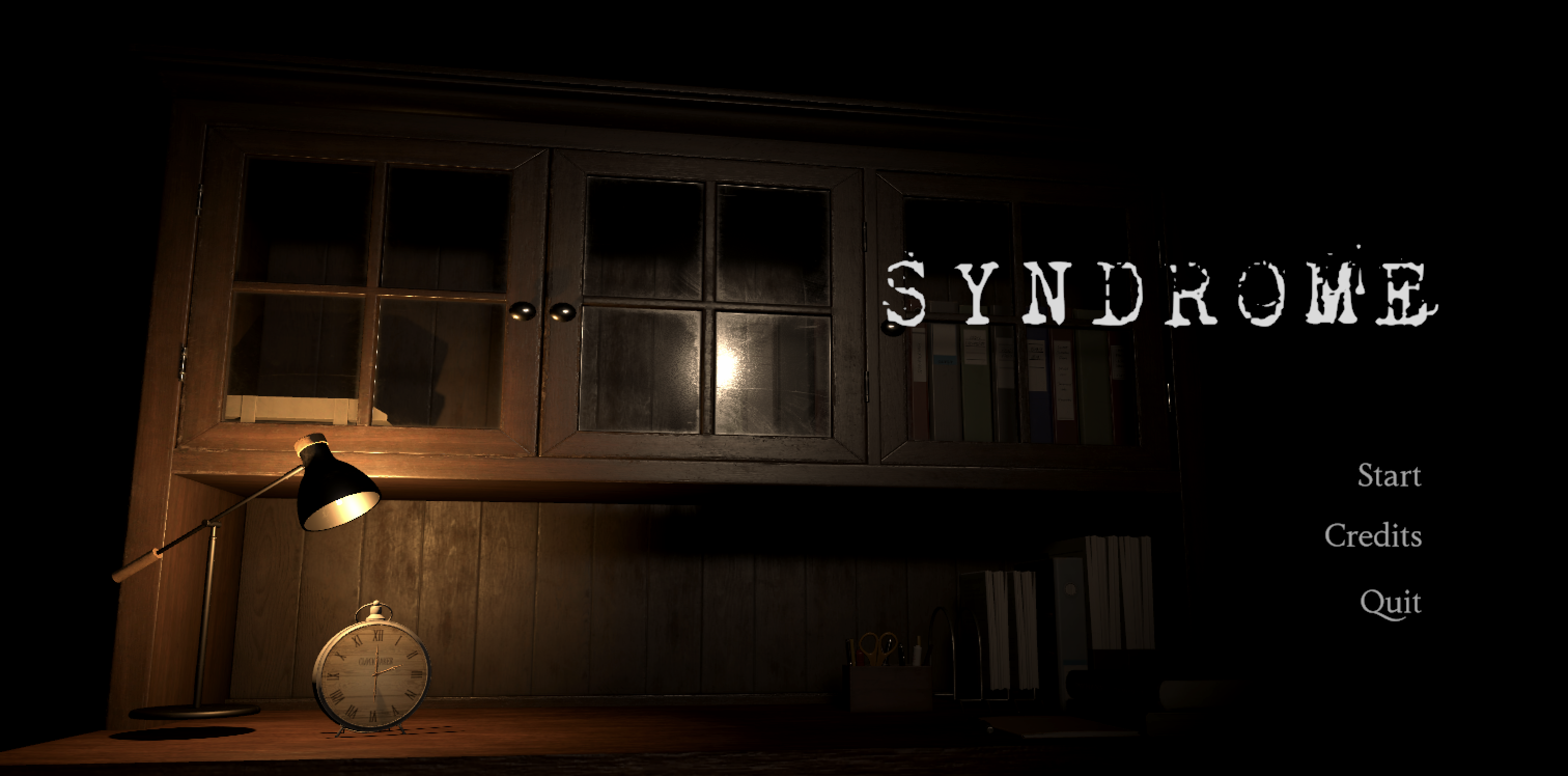
Overview
Syndrome is a collaborative 3D psychological horror game created at USC. Inspired by Stephen King’s novella N., I wanted to create a paranoid horror atmosphere that instills a sense of doubt about reality.
The feeling is that something incomprehensible suddenly appears in everyday life: a coffee cup that disappears and reappears, or the sudden revelation of a truth we dread. The game uses that kind of uncertainty to make ordinary space feel unstable.
My Role
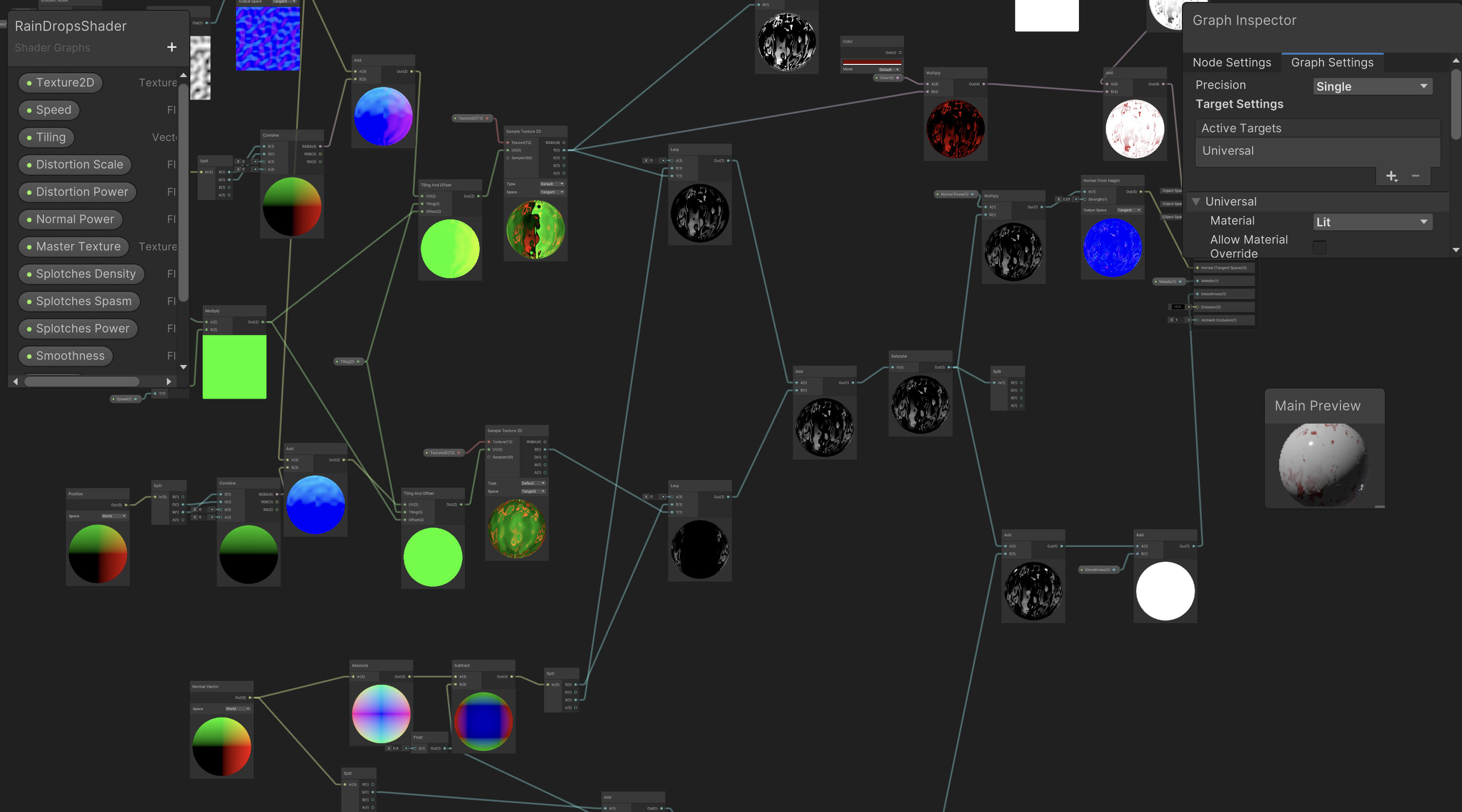
As lead designer, I shaped the experience goals, atmosphere, level structure, and production process. I also contributed to Unity implementation and shader experimentation.
Experience Goals
- Players should feel skepticism by questioning whether something supernatural is happening or whether it is all in the main character’s mind
- Players should feel nervous and scared through the immersive and realistic environment of the game
Small changes, loops, and subtle visual shifts build the feeling that reality is no longer reliable.
References
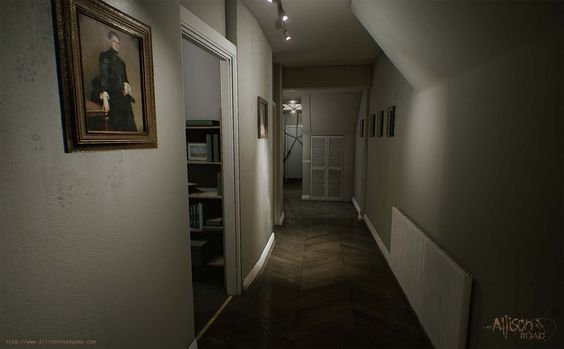
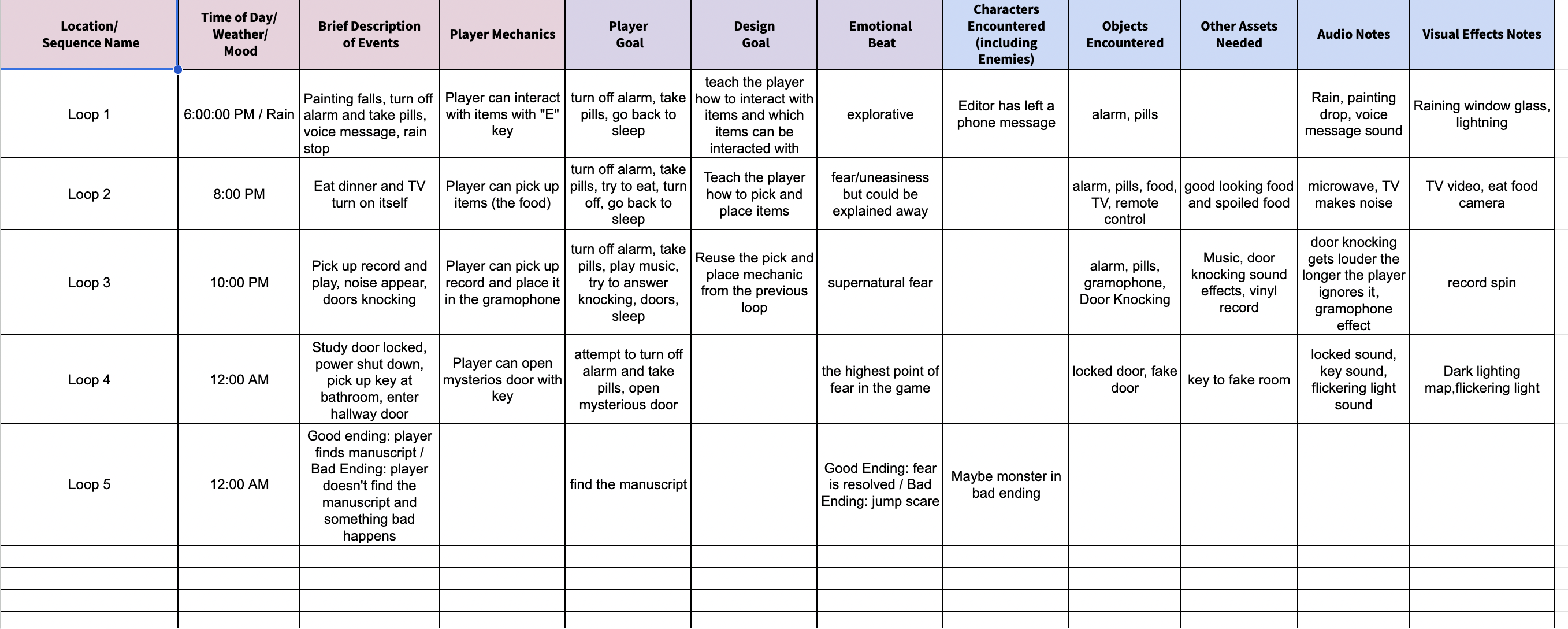
We studied Hideo Kojima’s P.T., especially its looping, ever-changing levels and the sense of dread created through precise and minimal map design. We also used Fears to Fathom as a reference because the realistic quality of its narrative is very impressive.
Process
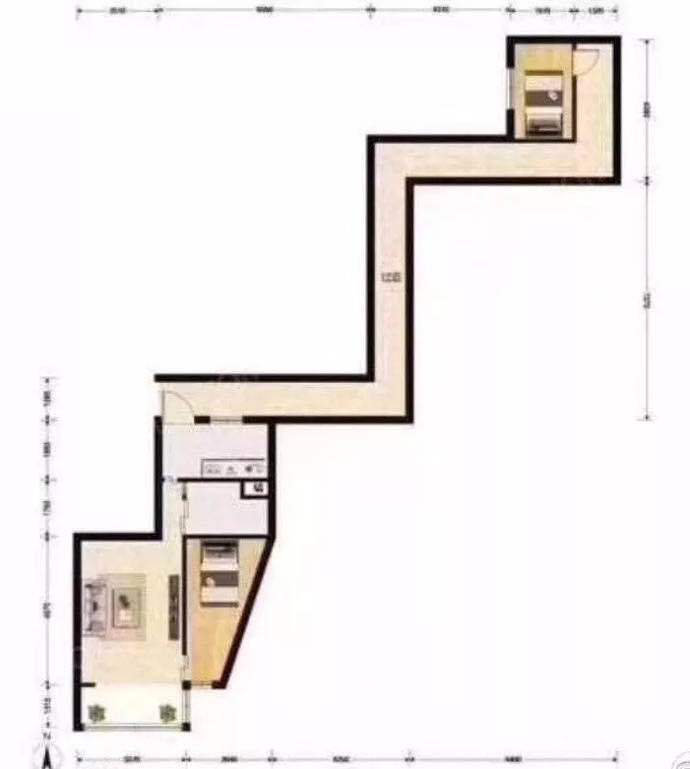
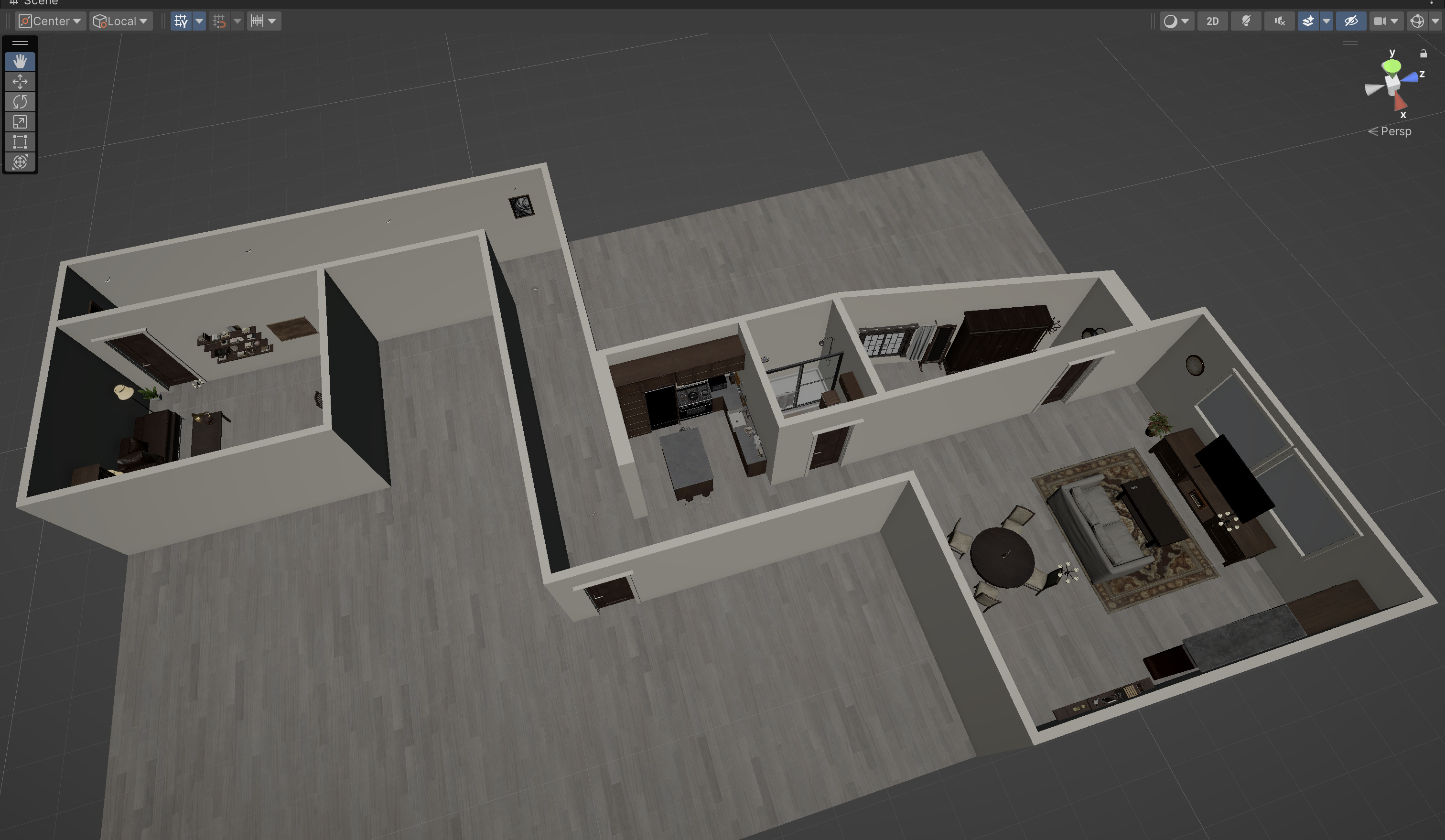
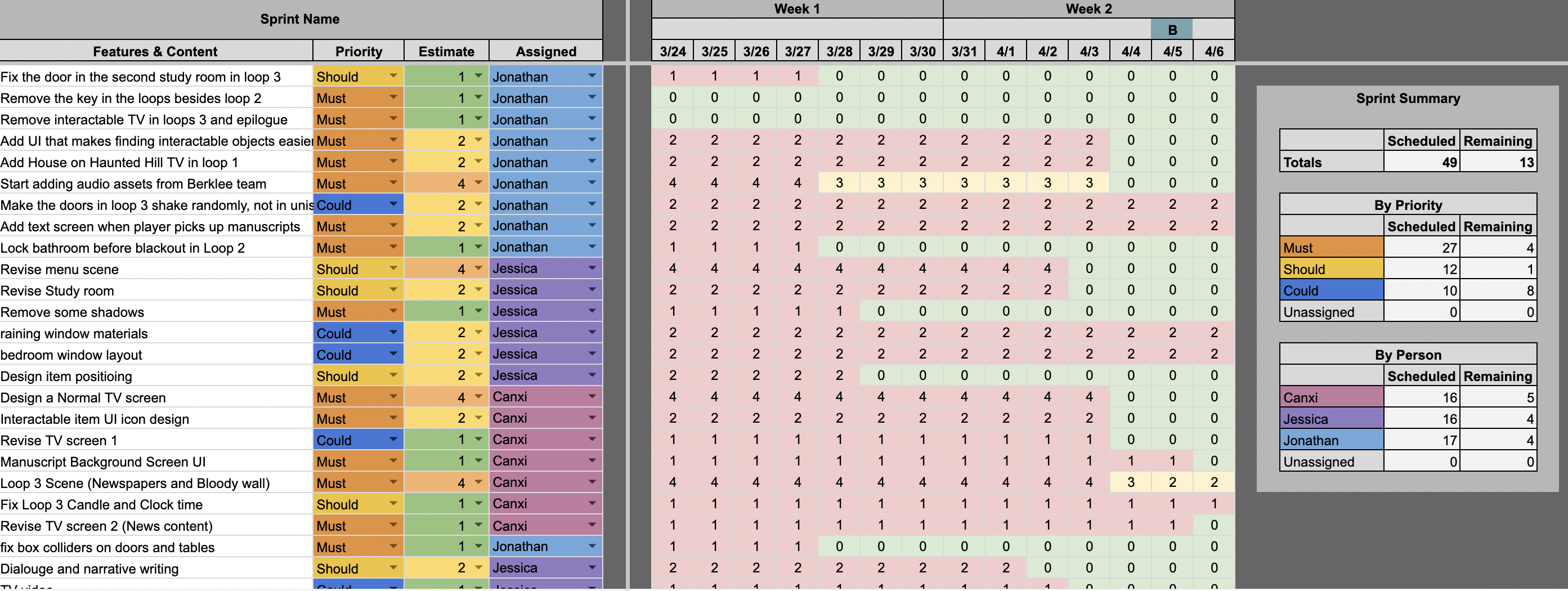
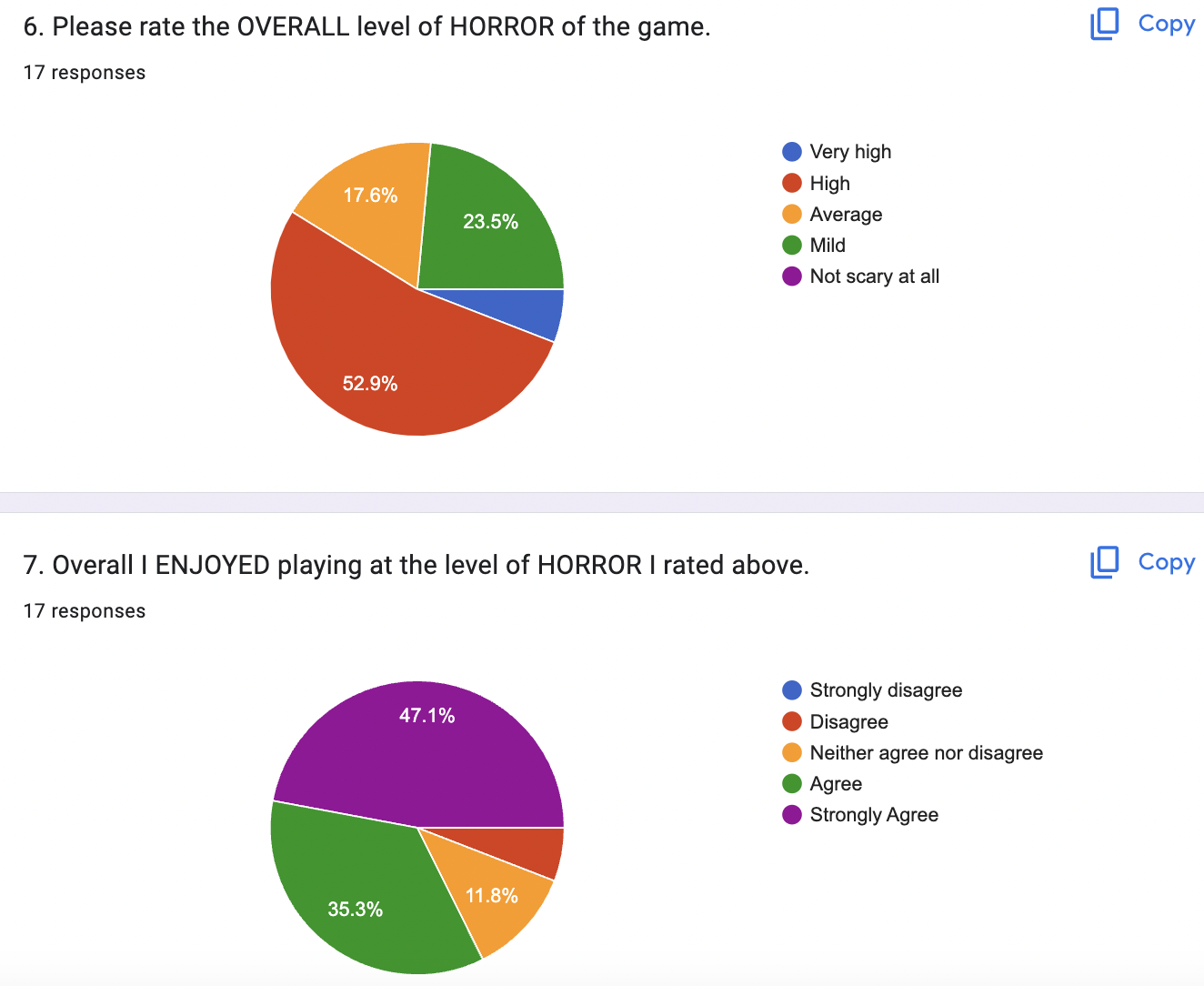
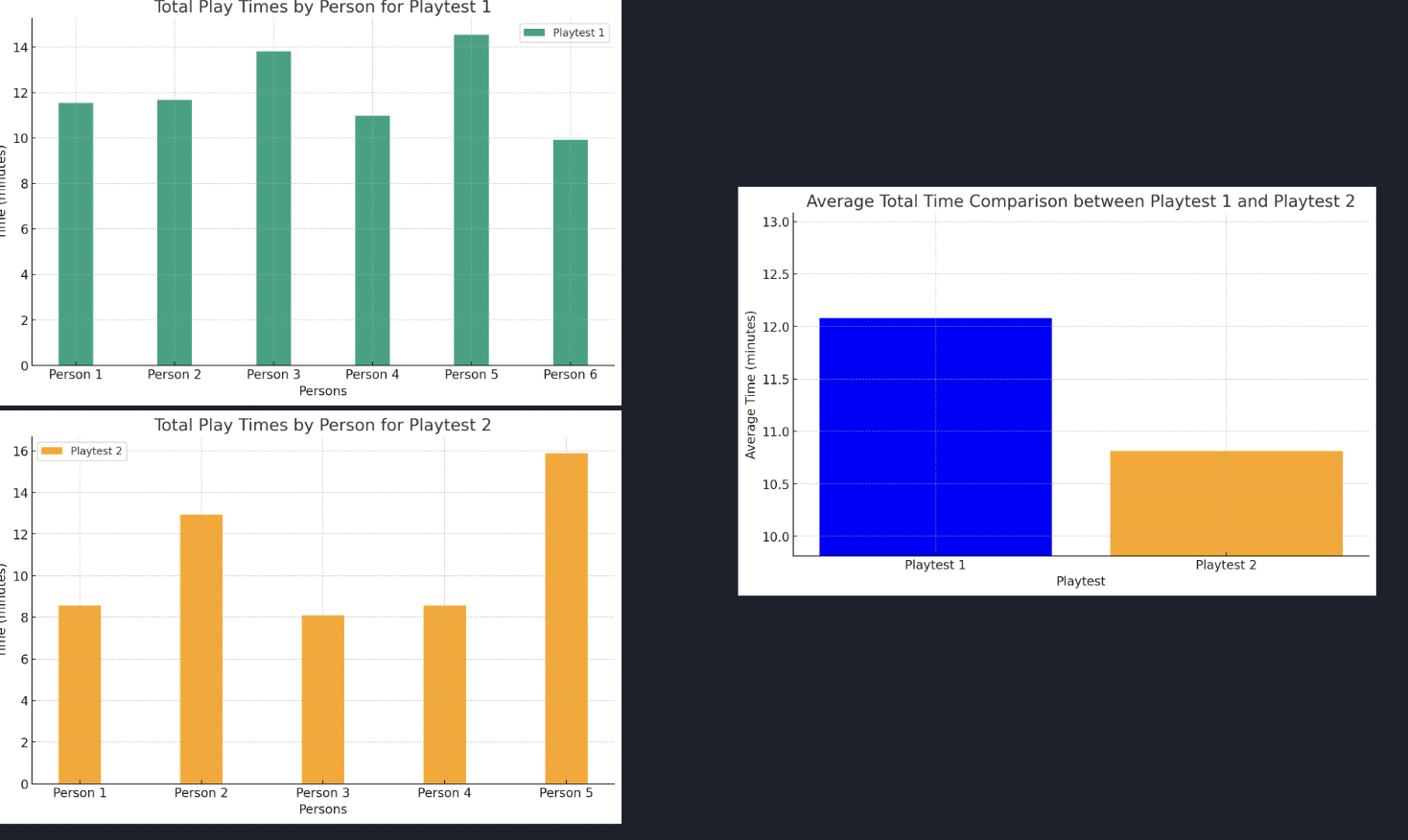
The production process included atmosphere research, map and level structure design, Unity implementation, shader graph material experiments, macro design planning, burndown tracking, player surveys, and analysis of playtest data.